
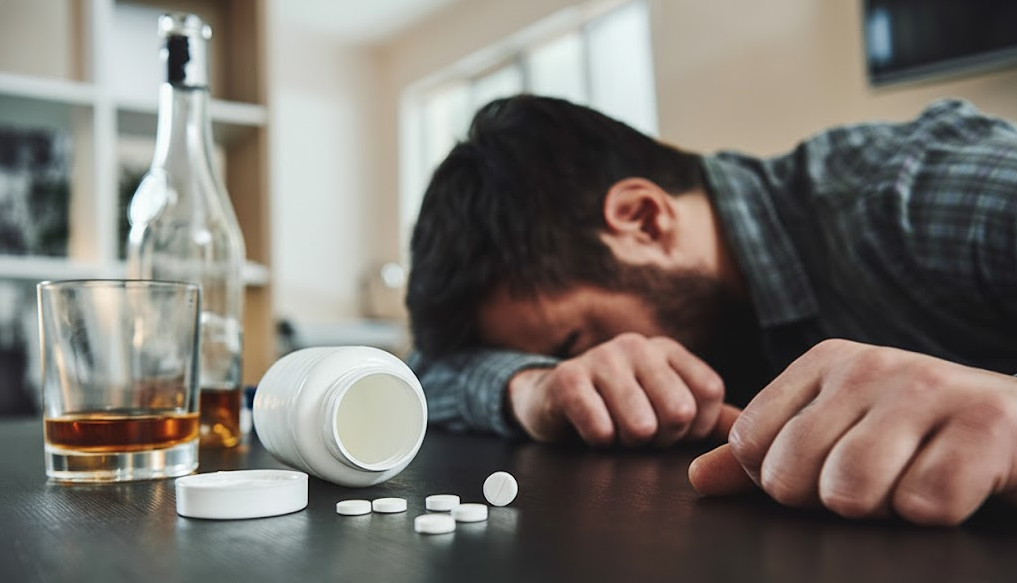
When we talk about addiction, it’s easy to focus on the choices people make. But at its heart, addiction is not a failure of will or a moral weakness; it is a chronic disease that fundamentally changes the brain. Understanding this is the first, most crucial step toward healing and recovery.
The role of brain’s
The most powerful part of the brain involved in addiction is the Reward System. This system is designed to motivate us to do things vital for survival, like eating, drinking water, and connecting with others. When we do these things, the brain releases a surge of a chemical called dopamine, which makes us feel pleasure and encourages us to repeat the action.
The Hijack:
Substances like drugs or alcohol cause a massive, unnatural flood of dopamine—far greater than any natural reward.
- Initial Use: The brain says, “Wow, that felt amazing! I need to do that again.”
- Repeated Use: To cope with the overwhelming dopamine, the brain starts to adapt. It reduces the number of dopamine receptors or produces less natural dopamine. The result? The person feels dull, flat, and unable to enjoy normal activities.
- The Vicious Cycle: Now, the person is no longer seeking a “high”; they are using the substance just to feel “normal” again and relieve the deep, chronic craving. The substance has effectively hijacked the brain’s survival wiring.
What Makes It a Brain Disorder?
Addiction meets the criteria for a chronic disease because it causes long-lasting, fundamental changes in key areas of the brain:
- The Reward Center (The Crave): This area is sensitized, leading to intense cravings that feel like a matter of life or death.
- The Prefrontal Cortex (The Decision-Maker): This is the part of the brain responsible for planning, judgment, impulse control, and assessing consequences. Addiction weakens this area, making it incredibly hard to say “no” even when a person desperately wants to stop.
- Memory and Learning Centers: These areas create strong, automatic associations between the substance, the people, places, and feelings surrounding its use. This is why triggers can be so powerful years into recovery.
In essence, the addicted brain becomes wired to prioritize the substance above everything else: family, health, work, and even basic survival. This is why relying on “just stopping” rarely works; the underlying brain changes need to be addressed.
The Hope: How Addiction Can Be Arrested
The good news is that just as the brain can be fundamentally changed by addiction, it can be fundamentally healed through recovery. This process is called neuroplasticity—the brain’s incredible ability to adapt, reorganize, and form new connections.
Addiction can be arrested, meaning the disease is put into remission and its symptoms (compulsive use) are stopped. It’s a lifelong process, much like managing diabetes or high blood pressure, but it is completely achievable.
How Recovery Works:
- Time and Abstinence: With consistent abstinence, the brain gradually begins to repair and regrow its natural dopamine receptors. The intensity of cravings lessens over time.
- Therapy and Counseling: Cognitive Behavioral Therapy (CBT) and other evidence-based approaches retrain the prefrontal cortex. They help individuals build new coping skills, recognize triggers, and strengthen the decision-making part of the brain.
- Community and Support: Connection with others in recovery (like in 12-step programs or group therapy) restores the natural reward system. It offers belonging, accountability, and the positive, healthy dopamine hits that come from social interaction and helping others.
- Holistic Wellness: Proper nutrition, exercise, and sleep further support the brain’s healing process, stabilizing mood and increasing resilience.
A Message of Strength and New Beginnings
If you or a loved one are struggling, remember this: You are dealing with a powerful brain disease, and you are not to blame for having it.
However, you are completely responsible for your recovery. Seeking professional help at a rehab facility is the act of a strong, courageous person ready to take on their chronic illness. It’s an opportunity to give your brain the time, tools, and environment it needs to heal, restore balance, and reclaim your life.
Addiction is a disease. Recovery is the cure for the spirit, and the path to healing for the brain.
Ready to start the journey of healing and arrest the disease of addiction? We are here to help you take that courageous first step.