
Addiction is not a failure of willpower or a sign of moral weakness. It is a chronic, progressive, and often fatal disease — but one that is entirely treatable with the right support and understanding. Millions of people worldwide struggle with substance use and alcoholism, often trapped in cycles of craving, use, and despair. Yet, within the same human struggle lies a story of transformation — from chaos to clarity, from bondage to freedom.
This is the story of addiction and recovery a journey marked by pain, science, healing, and, ultimately, redemption.
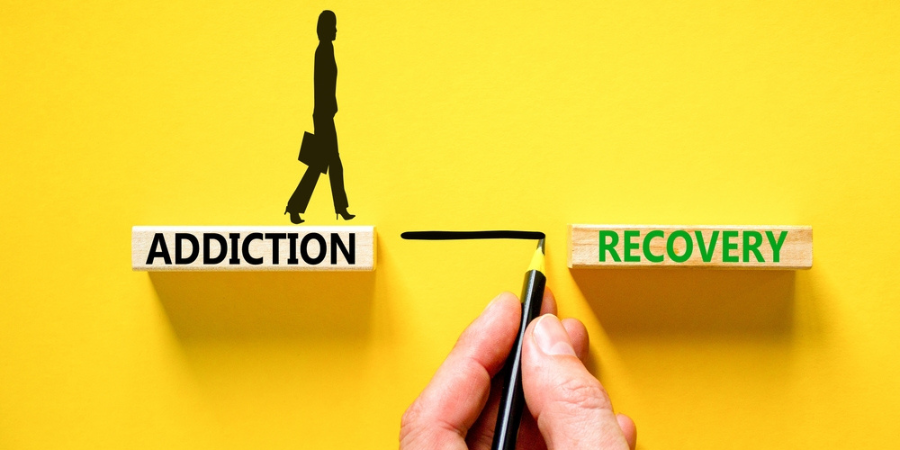
The Nature of Addiction: A Disease of Mind, Body, and Spirit
For decades, addiction was misunderstood as a behavioral problem — something people could “just stop” if they truly wanted to. Modern neuroscience and psychology, however, have redefined addiction as a chronic brain disease that affects the reward, motivation, and decision-making systems of the brain.
When an individual consumes substances such as alcohol, opioids, cocaine, or even prescription medications, the brain releases dopamine — a neurotransmitter that signals pleasure. Over time, the brain becomes conditioned to associate substances with survival itself, much like food or water. This rewiring leads to compulsive use, despite devastating consequences.
The American Society of Addiction Medicine (ASAM) defines addiction as a “primary, chronic disease of brain reward, motivation, memory, and related circuitry.” It’s not a lack of character; it’s a neurological hijacking.
Biologically, the addicted brain adapts to expect the substance. The individual needs more of it to feel normal, not just to feel high. When deprived, the brain rebels — causing anxiety, depression, insomnia, irritability, and physical pain. This state is known as withdrawal, and it’s often so unbearable that it drives the individual back to using, despite knowing the consequences.
But addiction goes beyond biology. It corrodes relationships, shatters trust, and drains the human spirit. It isolates individuals, creating a silent world where shame and denial thrive. Addiction is, in every sense, a disease of mind, body, and spirit.
The Breaking Point: Hitting Bottom

Every person’s path to addiction looks different — but most share one common element: the bottom.
For some, it’s losing a job, a relationship, or health. For others, it’s waking up one morning realizing that they can’t function without a drink, a pill, or a hit. The bottom isn’t always about external losses; sometimes, it’s the internal collapse — the moment when life feels unmanageable, and despair outweighs denial.
This breaking point often becomes the beginning of recovery. It’s the moment where help is no longer optional — it’s necessary.
The Role of Rehab: A Safe Space to Begin Again
Rehabilitation centers, often called rehabs, play a crucial role in the recovery process. They offer a structured, medically supervised environment where individuals can safely detox and begin to rebuild their lives.
1. Detoxification: The Physical Reset
Detox is the first step — cleansing the body of substances while managing withdrawal symptoms. Medical supervision ensures safety, as withdrawal from certain substances like alcohol or benzodiazepines can be life-threatening without professional care.
2. Therapy and Counseling: The Psychological Work
After detox, the real healing begins. Through individual therapy, cognitive-behavioral therapy (CBT), trauma-informed counseling, and group therapy, individuals confront the underlying causes of their addiction. Many discover unresolved trauma, anxiety, or depression that fueled their substance use.
Therapy provides the tools to cope with stress, regulate emotions, and change destructive thought patterns. It helps reframe addiction not as a moral failing, but as a maladaptive coping mechanism that can be replaced with healthier habits.
3. Community and Connection
In rehab, people discover something vital: they are not alone. Surrounded by others who understand, they begin to heal through connection. Shame starts to dissolve when shared with others who’ve walked similar paths. Rehab becomes not just a place of recovery, but a community of rebirth.
The Twelve-Step Fellowship: Spiritual and Emotional Transformation
Recovery doesn’t end when rehab does. In fact, that’s often when it truly begins. Long-term sobriety requires daily maintenance — and that’s where 12-step fellowships like Alcoholics Anonymous (AA) and Narcotics Anonymous (NA) come in.
These fellowships provide a framework for living — a design for life that extends far beyond abstinence. The 12 Steps address the root causes of addiction: ego, fear, resentment, and spiritual emptiness.
Through admitting powerlessness over substances, making moral inventories, amending wrongs, and helping others, individuals experience a profound spiritual awakening. This isn’t necessarily religious — it’s about connecting to something greater than self, whether that’s community, nature, or purpose.
Meetings provide consistency, accountability, and hope. They remind recovering individuals that recovery is possible one day at a time. Sponsors guide newcomers through the steps, offering mentorship and truth born from experience. The fellowship replaces isolation with belonging — an essential ingredient for sustainable recovery.
The Science of Recovery: How the Brain Heals
Recovery is not just psychological or spiritual — it’s biological. When substances are removed, the brain begins to heal. Neuroplasticity — the brain’s ability to rewire itself — allows new pathways of reward, motivation, and self-control to form.
This process takes time. Research shows that it can take months or even years for the brain to fully stabilize. That’s why consistent recovery practices — therapy, meetings, exercise, and mindfulness — are vital. They reinforce healthy neural patterns and gradually replace destructive ones.
Over time, people in recovery often report feeling emotions they hadn’t experienced in years: joy, clarity, and peace. The fog lifts. What was once chaos becomes order.
Challenges on the Road: Relapse and Resilience

Recovery is not linear. Relapse — returning to substance use after a period of abstinence — is common, but not inevitable. It doesn’t signify failure; rather, it’s a sign that something in the recovery process needs strengthening.
Understanding triggers, building healthy coping mechanisms, and maintaining consistent support systems are essential. With every challenge comes an opportunity to grow stronger and more self-aware.
Resilience in recovery isn’t about perfection — it’s about persistence.
The Role of Community and Family
Addiction often isolates, but recovery reconnects. Family and community support are pillars of long-term healing. Educational programs for families help them understand addiction as a disease rather than a moral issue. Boundaries, compassion, and understanding are key to rebuilding trust.
For the individual, service — helping others in recovery — becomes one of the most powerful tools. In giving back, they strengthen their own sobriety and rediscover meaning in life.
The New Life: Beyond Sobriety
Recovery is more than just not using; it’s about creating a new way of living. It’s about rediscovering purpose, joy, and authenticity. Many people in recovery go on to rebuild careers, repair relationships, and find peace they never imagined possible.
Sobriety opens doors to clarity, creativity, and connection. It transforms not only the individual but everyone around them. It’s a process of rediscovery — of who one truly is beneath the layers of pain and survival.
Hope Is the Core of Recovery
Addiction may be a disease, but recovery is its cure. Through science, therapy, fellowship, and spiritual growth, individuals around the world have found freedom from the chains of substance use. The journey isn’t easy — it demands honesty, courage, and surrender — but it leads to something priceless: a life reclaimed.
No matter how far addiction takes someone, recovery always remains possible. The message is simple yet powerful — you can recover, and you’re not alone.